
Tagging and Tracing Fuels & Lubricants for Security and Brand Protection
What is fuel tagging and tracing ?
Fuel tagging and tracing is a method for identifying, monitoring, and verifying fuels like gasoline, diesel, and aviation fuel to prevent fraud, smuggling, and adulteration. This process involves introducing a distinctive chemical marker into the fuel, which can be detected and analyzed later to confirm its authenticity, origin, or quality.
Importance of Security in Fuel and Lubricant Supply Chains
The security of fuel and lubricant supply chains is essential for the safe, reliable, and efficient distribution of these critical resources. Effective security measures help deter theft, tampering, and contamination, which can cause financial losses, safety risks, and environmental harm. Protecting the supply chain also helps prevent disruptions that could affect industries that depend on fuel and lubricants, such as transportation, manufacturing, and energy. Moreover, strong security practices ensure regulatory compliance and foster trust between suppliers and customers.
Technologies Used for Tagging and Tracing in Fuels and Lubricants
For over twenty years, TraceTag has been helping government agencies and private corporations to protect fiscal revenues or customer brand equity in order to prevent fraud and erosion of value. Fiscal marking schemes have supported the prevention of tax evasion via fuel or tax labels security marking. Our tracing solutions for branded products have allowed protection against counterfeiting, parallel trading and product theft.
Our forensic tagging technology is mainly applied to fuels, inks, printing substrates and plastics. This experience has led to the development of innovative, invisible, field-measurable markers for fossil and renewable oils, fuels and combustibles.
Characteristics
CypherFuel is a secure cost competitive, fuel and oil security marking solution.
It is a unique fuel and lubricant tagging technology, combining a luminescent”flag”, that can be detected and measured anywhere along the supply chain, and a biochemical forensic synthetic DNA tracer. The DNA technology allows the production of many unique codes, which can be specific to each customer or each targeted supply chain.
Integrity of the tagged fuel or lubricant can be checked in the field using a dedicated portable device. When fraud is detected or suspected, synthetic DNA detection, using qPCR technology, will allow definitive and unequivocal proof of origin or source and hence be instrumental in the presentation of evidence to courts of law.
CypherFuel does not alter colour, odour or properties of fuels and lubricants.
CypherFuel can be manually or automatically injected into oils and lubricants.
Advantages
CypherFuel:
• is specific for each customer
• is a two-level integrated tracer
• is invisible
• is stable
• is easy to measure with a quantitative result obtained in a few minutes
• uses two different analytical techniques
• reverse engineering of the solution is virtually impossible and cost prohibitive
• is compatible with colour dyes frequently used in the fuels and lubricants industry
• is new on the market and available now
Detection and measurement
The luminescent tracer (the Flag) is measured in the field using a specific dedicated portable device.
The lid panel contains a mounted PC computer, with a power switch.
All measurements can be performed by technical staff after a few hours of training. Results are obtained in few minutes.
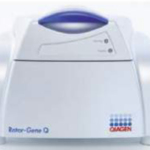
The DNA tracer is measured using qPCR equipment.
DNA tracers are designed to ensure that they can be easily amplified through the polymerase chain reaction (PCR) process. The amplification process allows very low concentrations of tracer to be detected with absolute specificity. Only the client can detect and analyze the added tracers.
Dosing
CypherFuel is an efficient tagging solution for:
• Gasoline, diesel, kerosene.
• Emerging green fuels (FAME, BTL, GTL…)
• Engine oils and lubricants
Recommended CypherFuel dosage, 0.5 to 1000 ppm depending on:
• Oil product to be marked
• Volume to be marked
• Manual or automated injection
Industrial applications
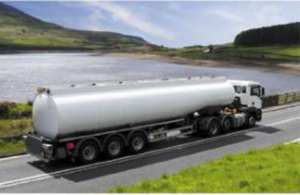
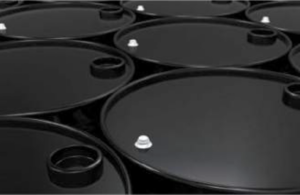
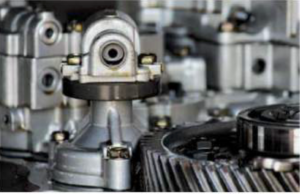
• All branded automotive fuels
• Base oils
• Motor oils
• Gearbox oils
• Axle Oils
• Lubricating greases
• Metal processing fluids
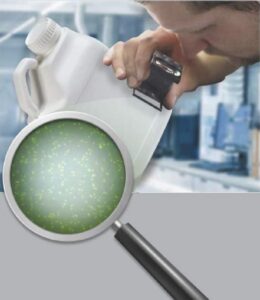
The versatility of our technologies allows for their use in many different applications such as the security marking of plastic containers.
